OneDome: digital conveyancing
OneDome connects buyers, sellers and property professionals in the UK. This project added a digital conveyancing service, giving solicitors a workspace for the legal and administrative work behind a property transaction.
Problem
Solicitors had to chase replies, correct document information and coordinate work across several parties. Fragmented communication and paperwork could delay the whole transaction, add administrative cost and create legal risk. The service also needed to accommodate regulatory requirements, data privacy and existing systems.
My role
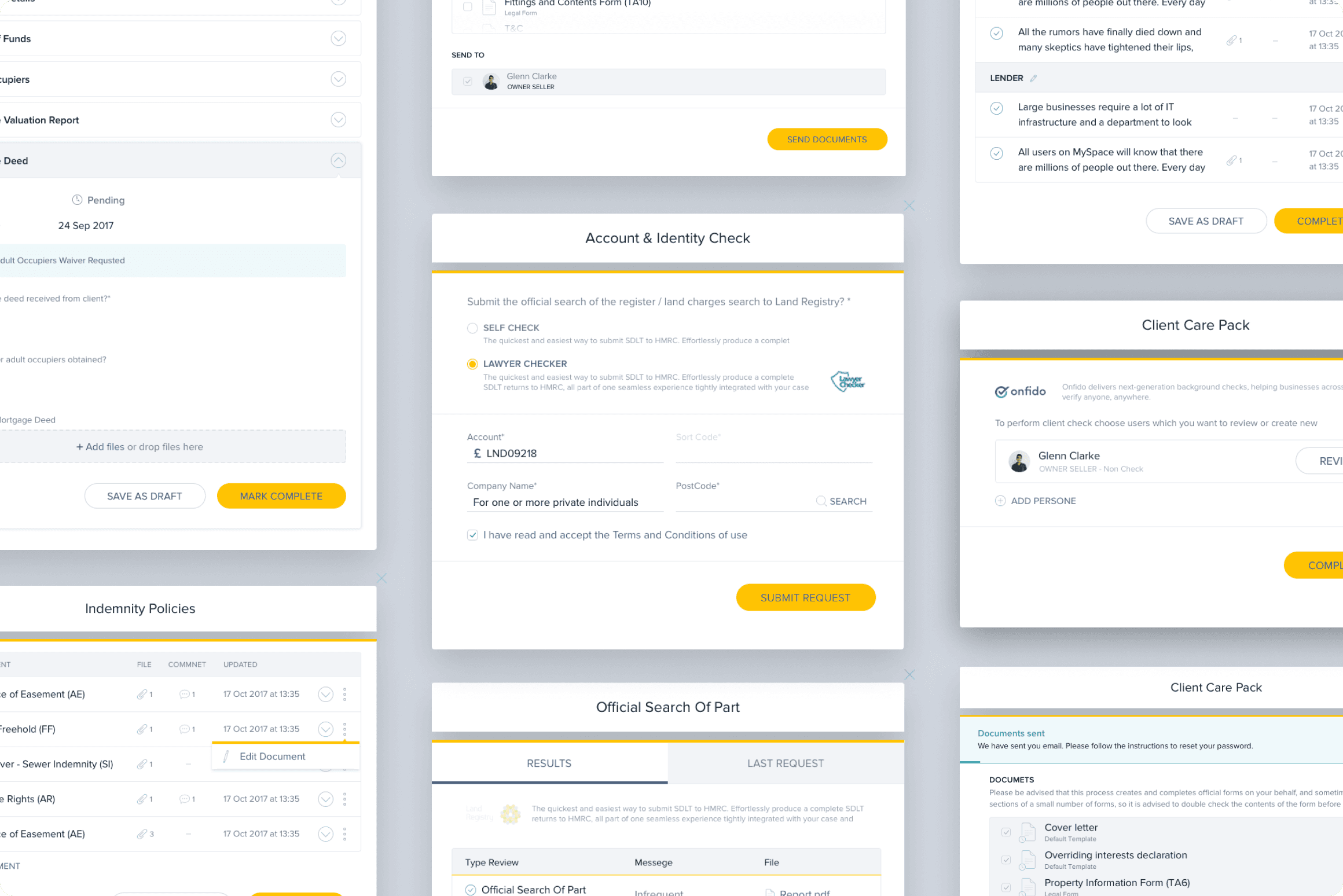
As Senior Product Designer, I designed the case overview, workspace, document flows and task forms. I used solicitor interviews and expert input to map the journey and refine prototypes. With the product manager and engineering lead, I explored government-service integrations and designed the associated forms.
Case management
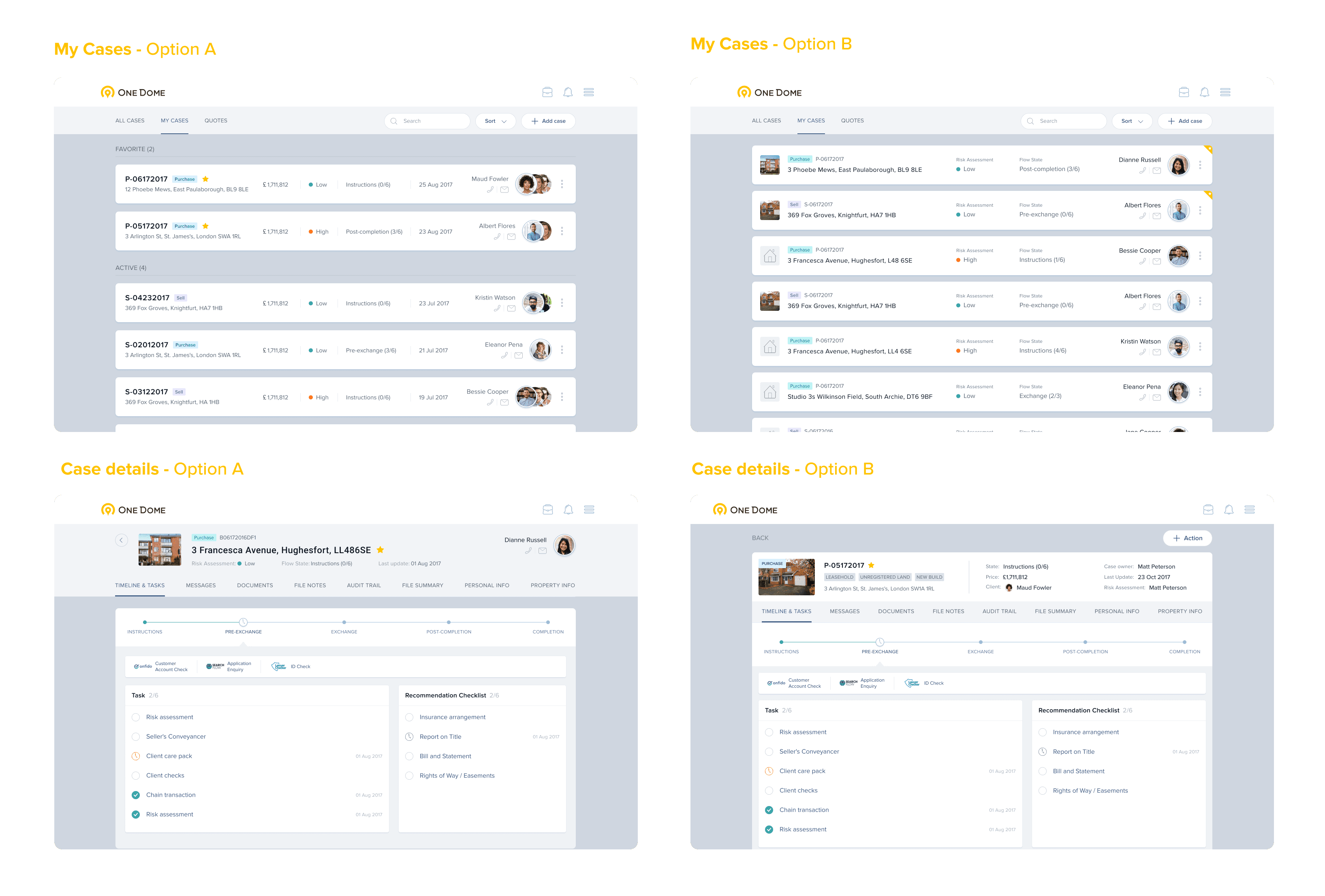
I chose a card-based overview for the MVP’s expected smaller caseloads, keeping property and case information together. We tested alternative overview and case-detail layouts, with Option B becoming the preferred direction.
Conveyancing workspace
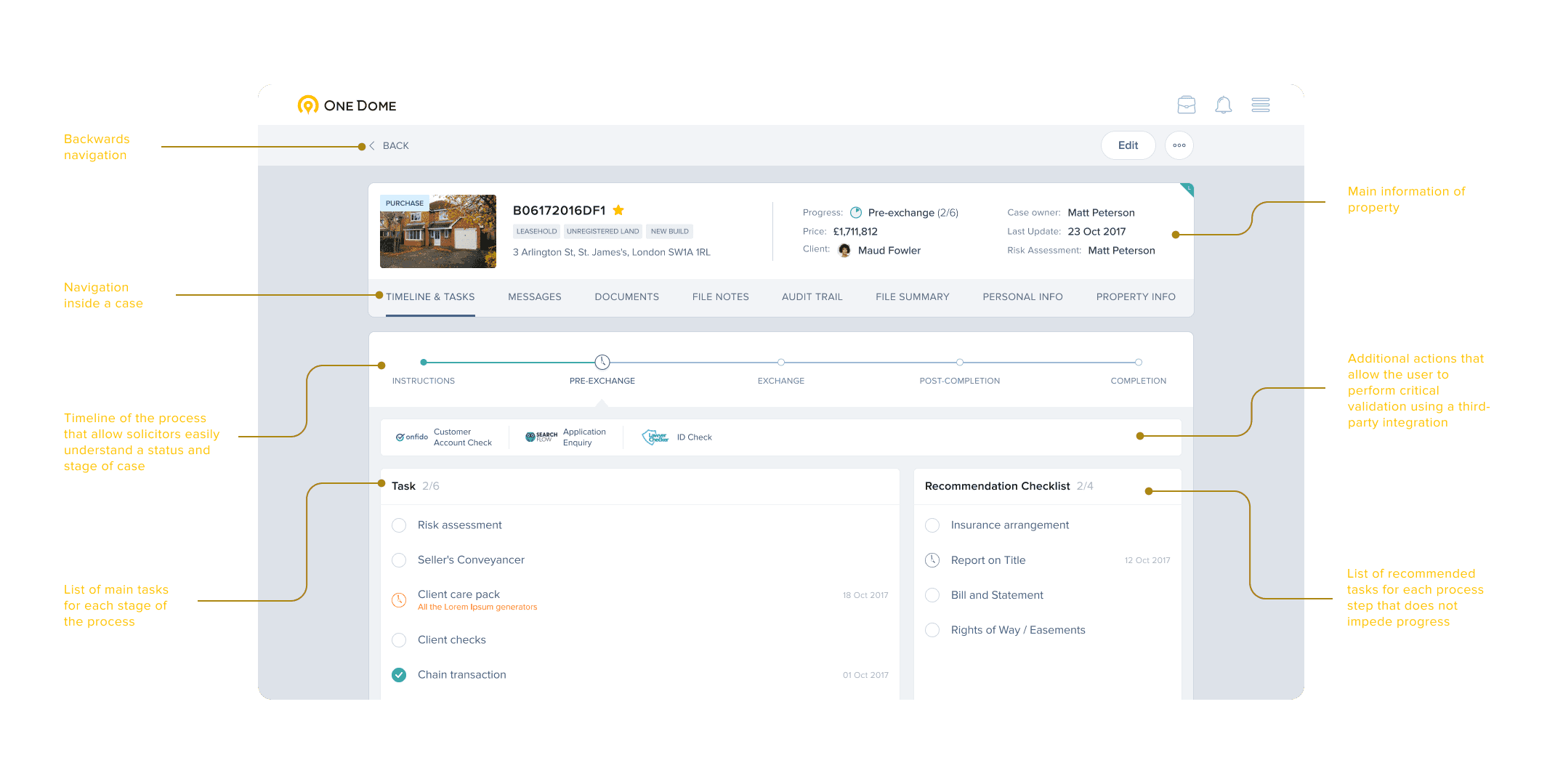
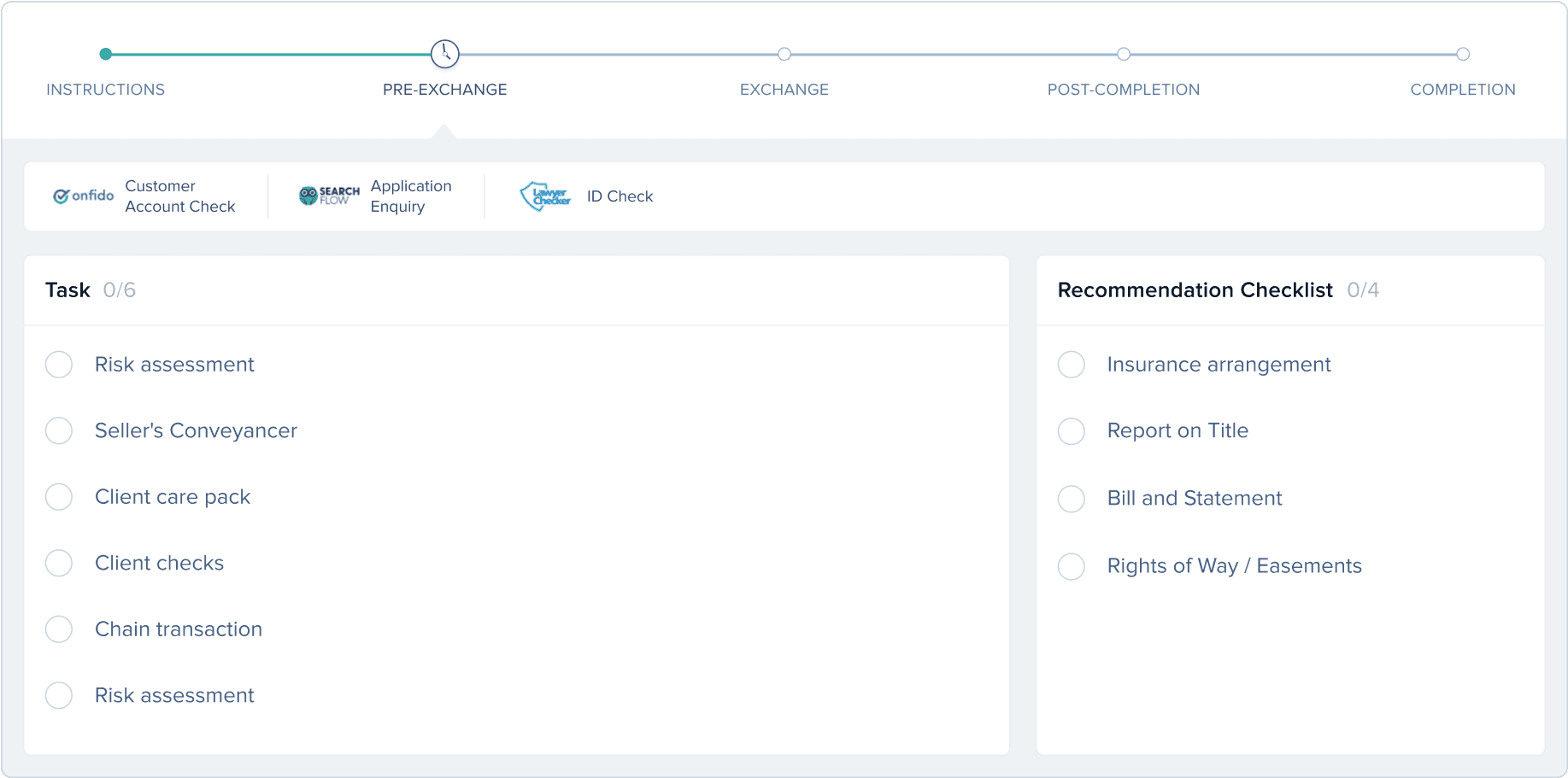
The workspace brings case information, tasks, documents and messages together. I separated the main task list from recommended actions to distinguish essential work from additional checks.
Document automation
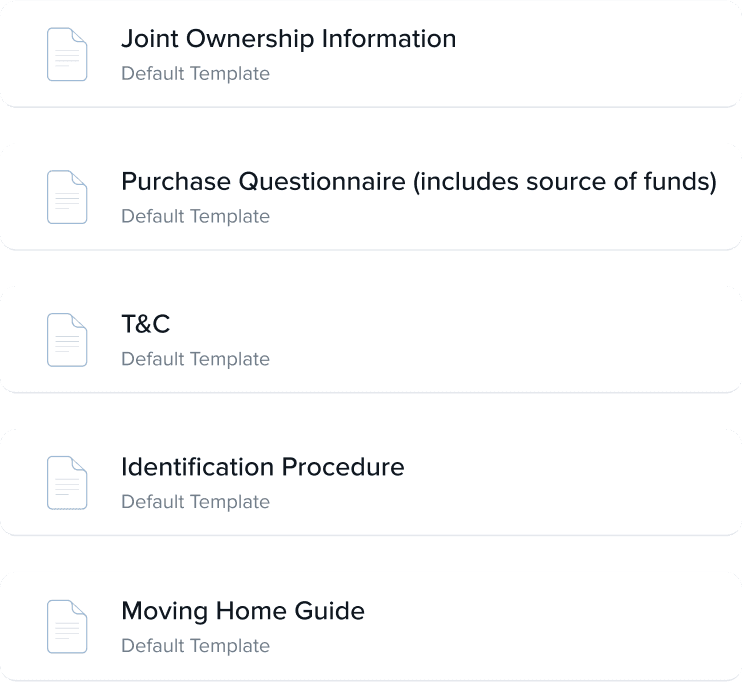
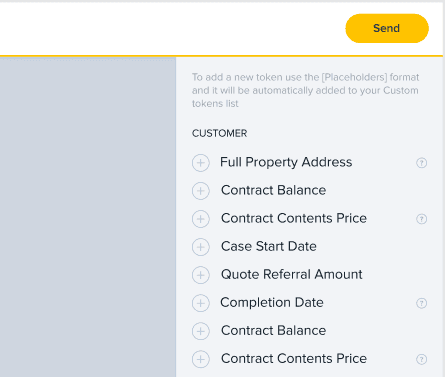
Creating or accepting a case generates a document library from the branch’s templates. Property and client information fills the relevant fields, with editing available for case-specific details.
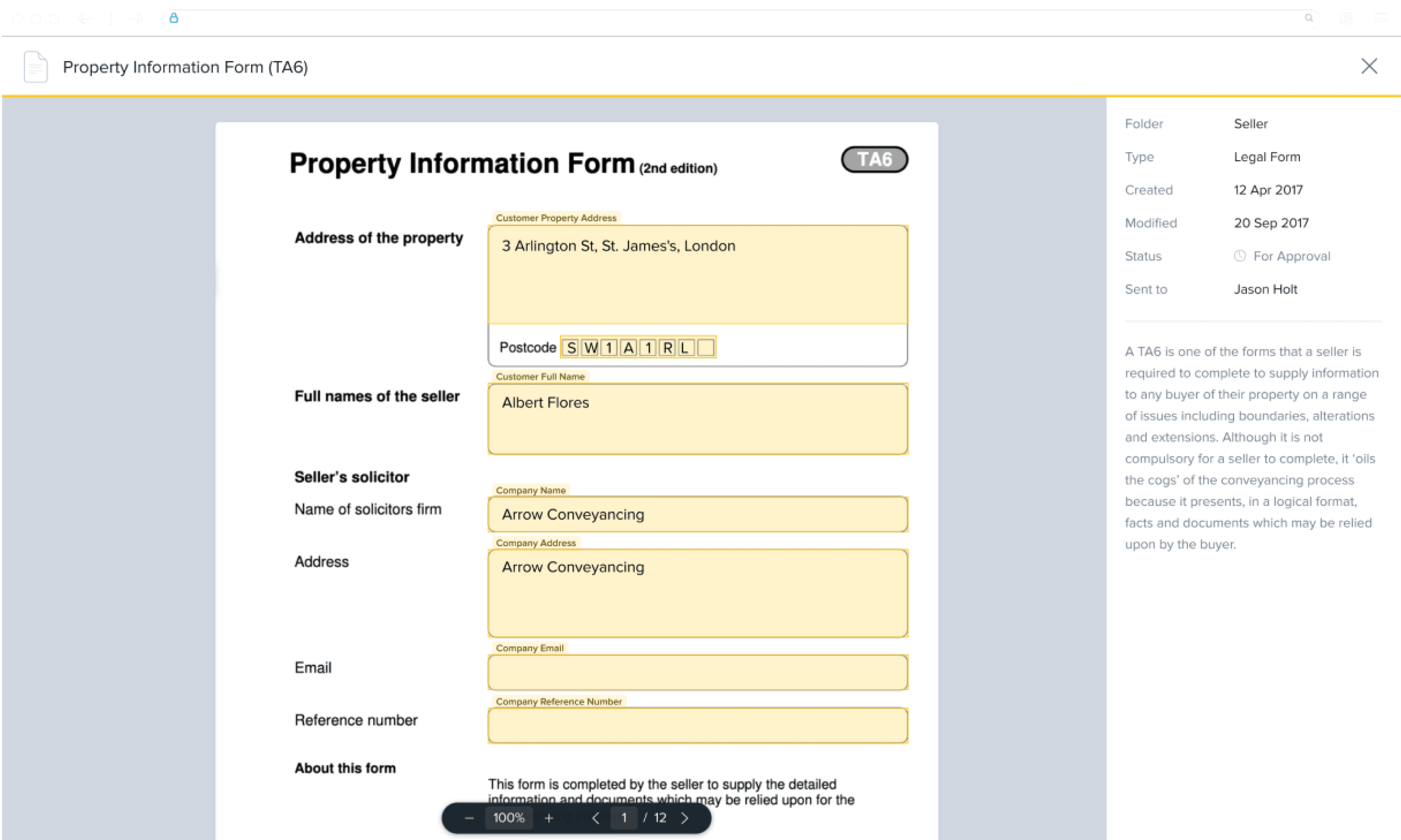
Reported rollout results included fewer data errors from auto-fill and a 20% reduction in transaction times for early users through automation.